Endometriosis
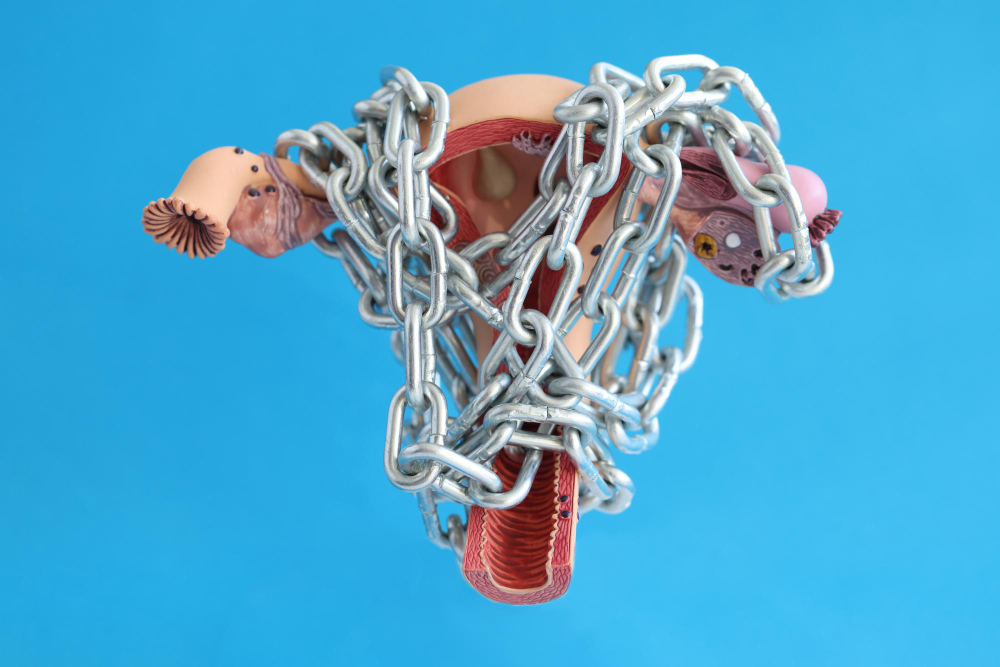
Endometriosis
Endometriosis is a chronic and often painful condition where tissue similar to the lining of the uterus, called the endometrium, grows outside the uterine cavity. This abnormal tissue can be found on the ovaries, fallopian tubes, pelvic lining, and occasionally in other parts of the body such as the intestines or bladder. Unlike the normal uterine lining that sheds during menstruation, the misplaced endometrial tissue has no way to exit the body, leading to inflammation, irritation, and the formation of scar tissue or adhesions.
The exact cause of endometriosis remains unclear, but several theories exist. Retrograde menstruation, where menstrual blood flows backward through the fallopian tubes into the pelvic cavity, is one commonly proposed cause. Genetic factors and immune system dysfunction may also play a role. Endometriosis primarily affects women of reproductive age, typically starting in their 20s or 30s, but can continue until menopause.
Symptoms of endometriosis vary widely and can range from mild to severe. The most common symptom is chronic pelvic pain, which often worsens during menstruation. Women may also experience painful periods (dysmenorrhea), pain during intercourse (dyspareunia), heavy menstrual bleeding (menorrhagia), pain during bowel movements or urination, and fatigue. In some cases, endometriosis can lead to infertility, making it a significant concern for women trying to conceive.
Diagnosis can be challenging because symptoms often overlap with other conditions like pelvic inflammatory disease or ovarian cysts. Doctors usually begin with a detailed medical history, pelvic examination, and imaging tests such as ultrasound or MRI to rule out other causes. However, definitive diagnosis often requires laparoscopy, a minimally invasive surgical procedure that allows direct visualization and biopsy of the endometrial lesions.
Treatment for endometriosis depends on the severity of symptoms and the patient’s fertility goals. Pain management may include over-the-counter pain relievers or prescription medications. Hormonal therapies, such as birth control pills, gonadotropin-releasing hormone (GnRH) agonists, or progestins, can help reduce or stop menstruation, thereby limiting the growth of endometrial tissue. For women with severe symptoms or infertility, surgical removal of endometrial implants and scar tissue may be recommended. In extreme cases, hysterectomy may be considered.
While there is currently no cure for endometriosis, early diagnosis and tailored treatment plans can significantly improve symptoms and quality of life. Women experiencing persistent pelvic pain or other related symptoms should seek medical advice for proper evaluation and care.