Uterine Fibroids
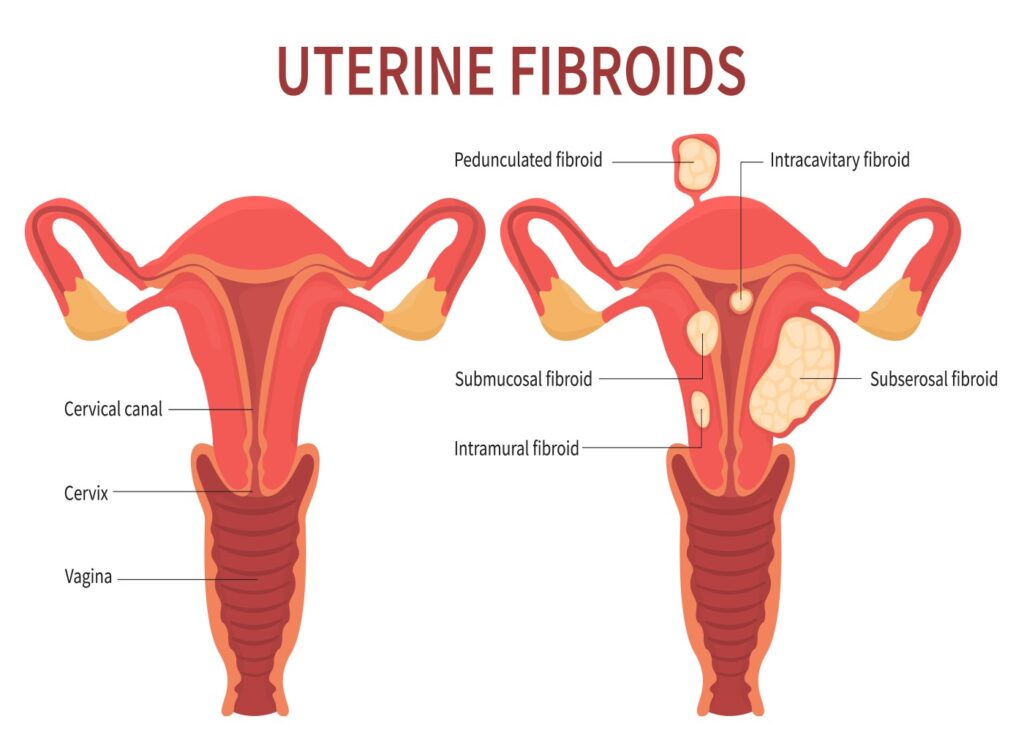
Uterine Fibroids
Uterine fibroids, also known as leiomyomas or myomas, are benign (non-cancerous) tumors that develop within the muscular wall of the uterus. They are one of the most common gynecological conditions affecting women of reproductive age, especially between 30 and 50 years. Although fibroids can vary in size—from as small as a seed to as large as a grapefruit—they can sometimes grow large enough to distort the shape of the uterus and cause significant symptoms.
Many women with uterine fibroids do not experience any symptoms, and the fibroids may be discovered incidentally during a routine pelvic exam or ultrasound. However, when symptoms do occur, they can include heavy or prolonged menstrual bleeding, pelvic pain or pressure, frequent urination, constipation, and lower back pain. Large fibroids may also cause abdominal swelling or bloating. In some cases, fibroids can interfere with fertility or complicate pregnancy, leading to issues such as miscarriage or preterm labor.
The exact cause of uterine fibroids remains unclear, but several factors are believed to contribute to their development. Hormonal influences, especially estrogen and progesterone, play a significant role in fibroid growth. Genetic factors also seem to contribute, as fibroids tend to run in families. Other risk factors include obesity, early onset of menstruation, and certain lifestyle factors.
Diagnosis of uterine fibroids typically involves a pelvic examination followed by imaging studies such as ultrasound, which is the most common method. In some cases, MRI scans may be used to get detailed images of fibroids and their location.
Treatment depends on the size, number, and location of fibroids, as well as the severity of symptoms and the patient’s desire for future fertility. Options range from watchful waiting for asymptomatic cases to medical therapies such as hormonal treatments that regulate menstrual bleeding and reduce fibroid size. Non-surgical interventions include uterine artery embolization (UAE), which cuts off the blood supply to fibroids, causing them to shrink.
Surgical options include myomectomy, which removes fibroids while preserving the uterus, making it suitable for women wishing to maintain fertility. In severe cases or when other treatments fail, a hysterectomy (removal of the uterus) may be recommended.
Early diagnosis and individualized treatment plans help women manage symptoms effectively and maintain a good quality of life. Regular gynecological check-ups and timely medical consultation are important for optimal care.